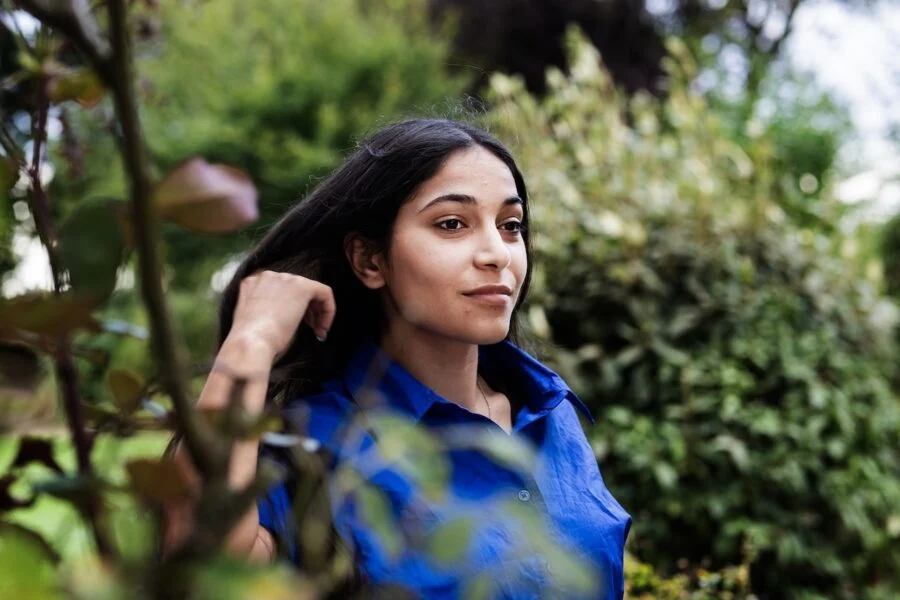
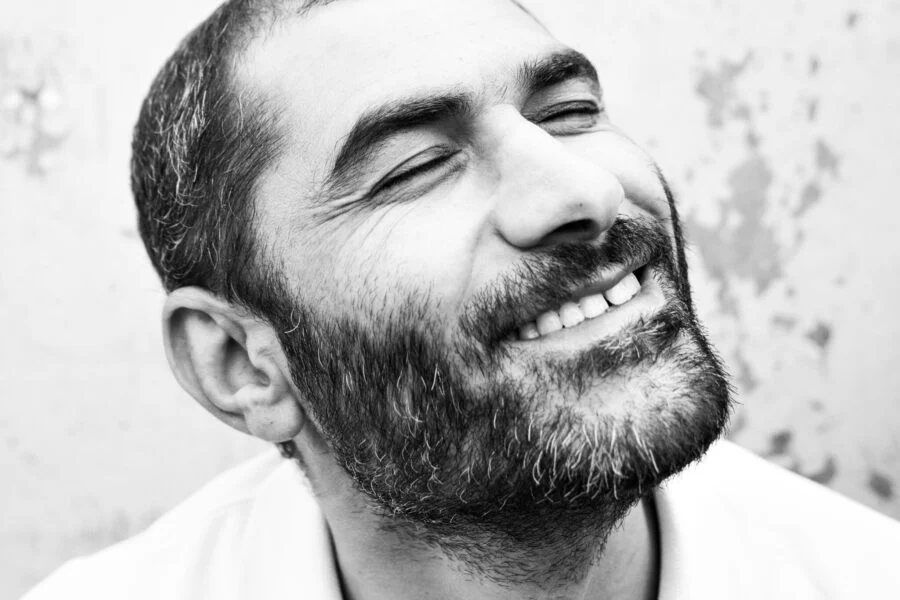
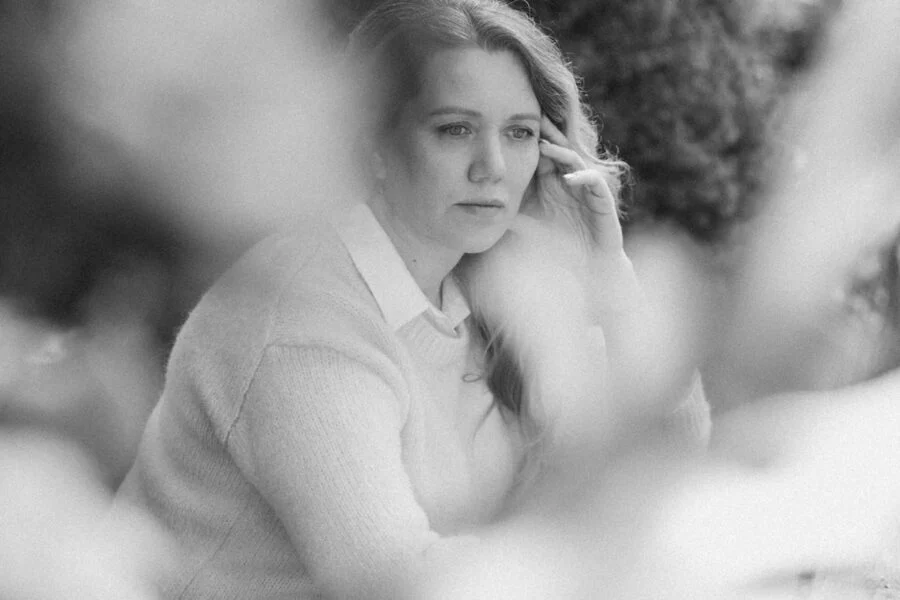
Hasan & Nasiha Nuhanović
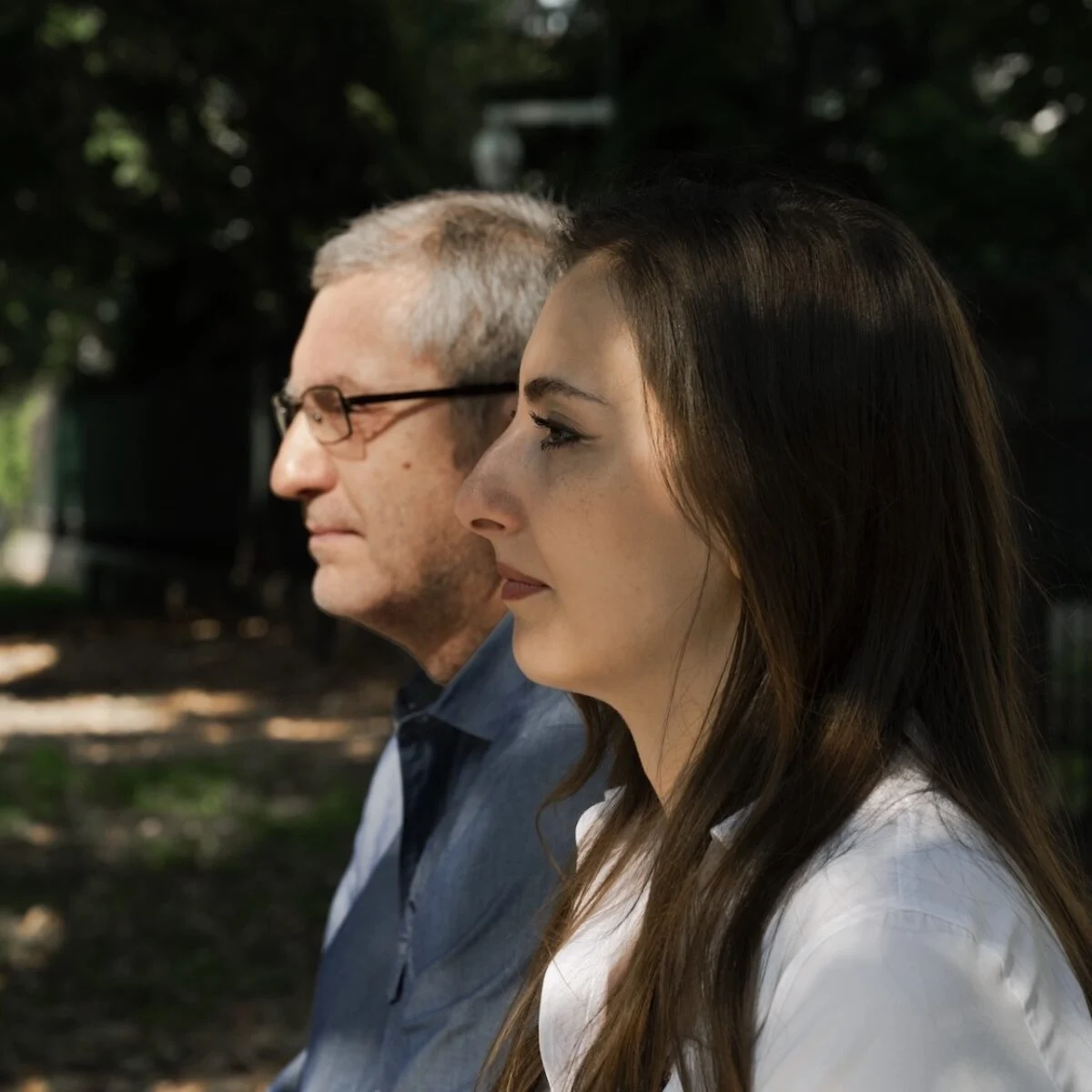
After the town of Srebrenica was declared a United Nations safe area in April 1993, Hasan Nuhanović became employed as a UN interpreter. When the town fell to Serb forces on 11 July 1995, thousands of Bosnian Muslim refugees sought shelter inside and outside the compound of the Dutch UN battalion at Potočari, including Hasan’s parents and brother.
On 13 July the Dutch battalion ordered the refugees to leave the compound and, despite Hasan’s desperate pleas, his parents and brother were handed over to Serb forces. They were killed along with more than 8,000 other victims in a series of mass executions in the following days.
Justice is the most important word in our lives. We will never achieve absolute justice, but as survivors we must reach for some kind of justice, because with it comes acknowledgment of loss, of pain, and of truth.
Hasan Nuhanović
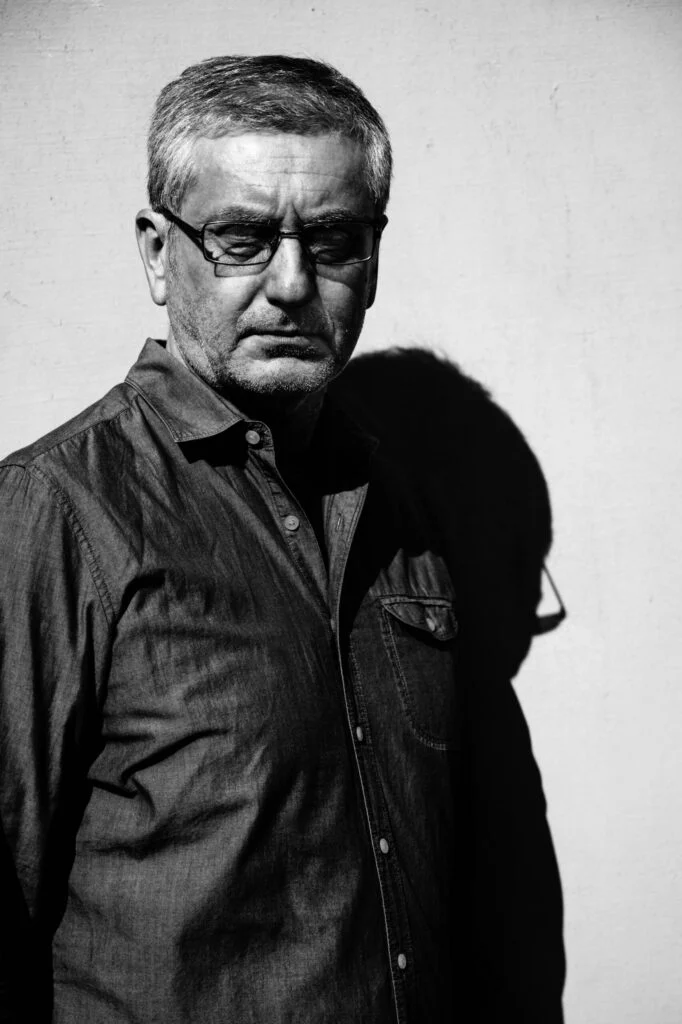
After the genocide, Hasan’s life became a constant struggle between survival and accountability. His pursuit of justice was not only about courts and state responsibility; it was also about people. He hopes that what he has done, inside and outside the courtroom, will help others to prevent atrocities in the future.
The Nuhanović Foundation was born out of this commitment. For Hasan, it represents not only institutionalised justice, but also a living memorial: the fact that it carries the surname of his parents and brother means that they are remembered through the work of the organisation.
The next generation
For Nasiha, Hasan’s daughter, this legacy is a matter of pride and responsibility. Growing up with the legacy of Srebrenica shaped her personal and professional life, and she became a lawyer.
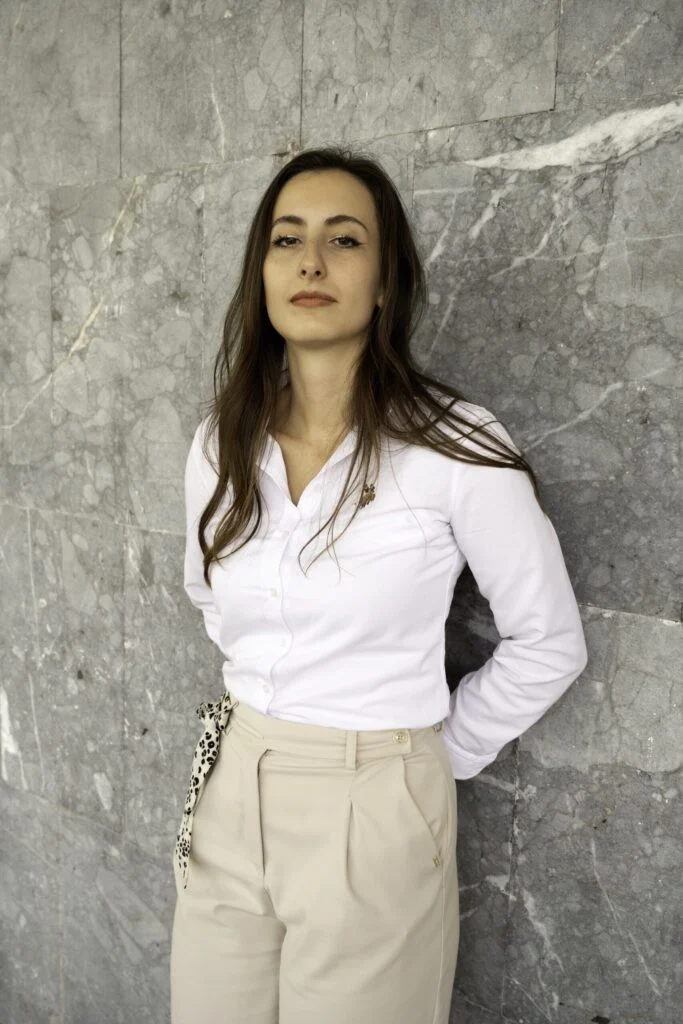
People are not just their stories. We have an immense amount of potential, and I want to transform remembrance into motivation.
Nasiha Nuhanović
Like her father, she sees that justice is not only about remedy, but also about prevention: creating a dialogue in which atrocities can be discussed and solutions found, and building sustainable frameworks to prevent them in the future.
This story is part of our campaign Justice: From War to Democracy & Freedom, which brings the faces and voices of survivors behind precedent-setting legal battles to life.